Clinical Development & Systems Thinking
Evidence-based practice tells us to integrate the best available evidence with professional expertise and client circumstances. The science of thriving reminds us that the practitioner, the team, and the system are part of those circumstances. Building forensic clinicians who flourish is not a luxury; it is infrastructure for client recovery and for smart decarceration.
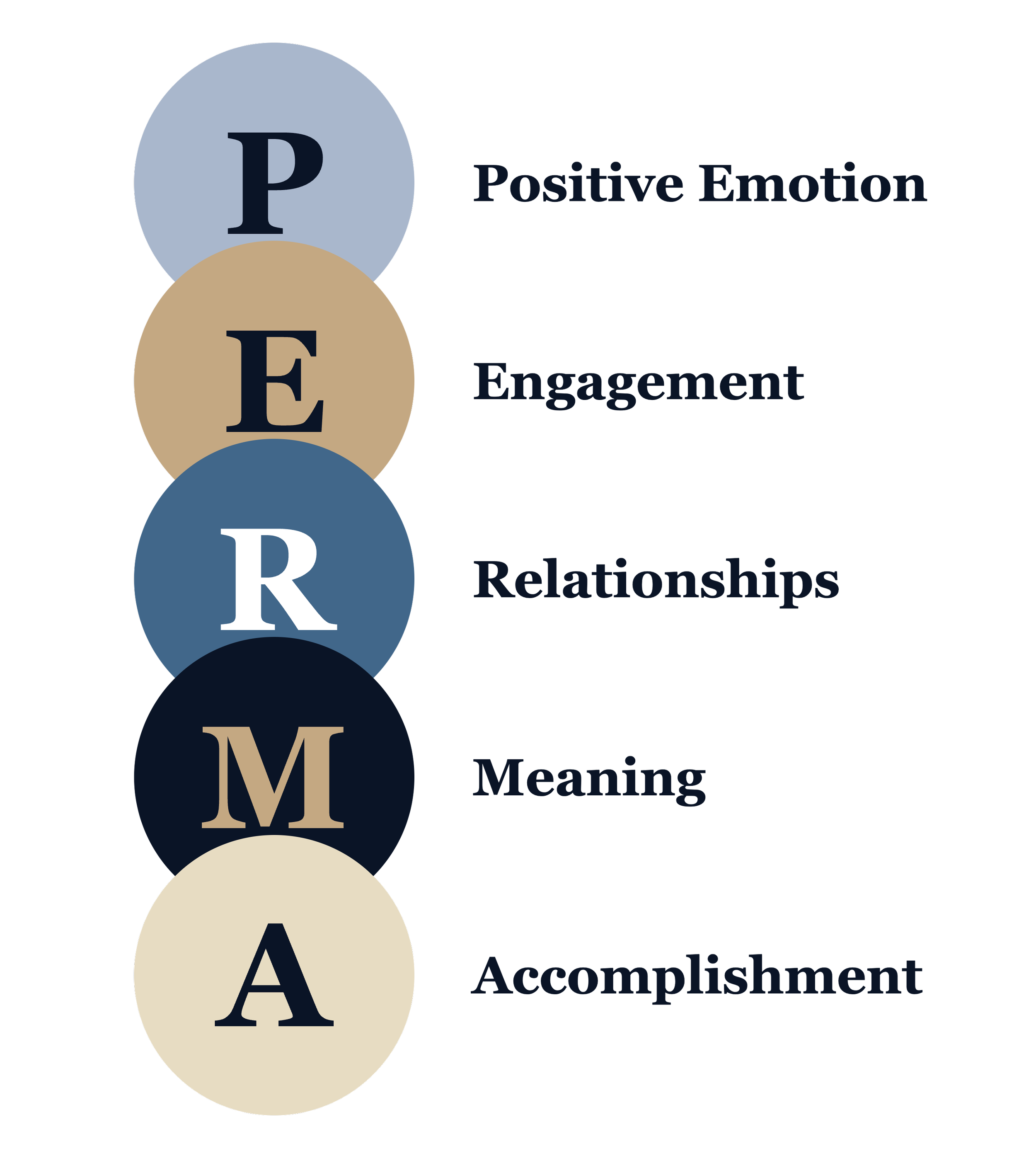
The Science of Thriving
Mental health and its systems of care have long asked what's wrong with people? Positive psychology asks what helps people do well? Nowhere does that question matter more than in forensic settings. Serious mental illness emerges in the same young, marginalized populations our justice system encounters most, and the strongest predictor of long-term outcome is how fast someone reaches care. My research examines the systems that determine that speed: families, interagency collaboration, and the wellbeing of the clinicians doing the work. Sustaining the helpers isn't a perk, it's infrastructure for recovery and smart decarceration.
For most of its history, psychology asked one question: what is wrong with people? Positive psychology flips it: what helps people do well? That flip matters most in the places where it is asked least, jails, courtrooms, crisis units, and community clinics serving justice-involved and economically marginalized clients.
The evidence is clear that people do not thrive or struggle alone. Outcomes are produced by the systems surrounding a person: family, treatment teams, the agencies that must coordinate care, and the courts and policies that shape what care is even possible. When those systems work together, people get help sooner. When they fragment, the most marginalized wait the longest.
My research interests will apply this systems lens to one of the clearest cases we have: early psychosis. Serious mental illness typically emerges in the late teens and early twenties, the same population overrepresented at every intercept of the justice system, and the single strongest modifiable predictor of long-term outcome is how quickly someone reaches appropriate care. Shortening that delay is not just a clinical task. It requires families who recognize what they are seeing, agencies that share data and workflows rather than clients falling between them, and — too often overlooked, clinicians who are themselves supported enough to stay in the work.